The detail that stuck with me when I read up on Below wasn't the monster. It was the opening image: a family towing their own house across a Newfoundland bay. I assumed the show made that up for drama. It didn't.
If you Googled whether Below is a true story, here's the plain version. The story is fiction, and the sea creature is invented. But the town buyout at the center of it, the floating houses, the iceberg harvesting and even the homecoming celebration are drawn from real Newfoundland history. Below I'll sort what's real from what's made up, show you where critics land, tell you who I think should press play, and then, in a clearly marked section, explain the ending.
The Essentials
- Below isn't based on a true story, but Newfoundland's government-assisted resettlement is real history: some 307 communities were abandoned between 1946 and 1975, with more than 28,000 people relocated.
- All six episodes hit Netflix on Oct. 8. The series sits at 81 percent on Rotten Tomatoes from 32 critic reviews and topped FlixPatrol's worldwide Netflix TV chart on Oct. 9.
- My take: the scariest thing in this show isn't the creature, it's a polite payout offer. Watch it for the people and the place, not for jump scares.
What is Below on Netflix about? The basics
Created by Jesse McKeown, Below follows the fishing town of Snooks Arm, Newfoundland, as it welcomes former residents home for a celebration called Come Home Week, according to RogerEbert.com. It's also a town that was forced out of its land once before, and decades later it's being asked to leave again. The government promises a hefty payout, and most residents are tempted. Calvin Penney (Josh Hartnett), a fisherman, refuses.
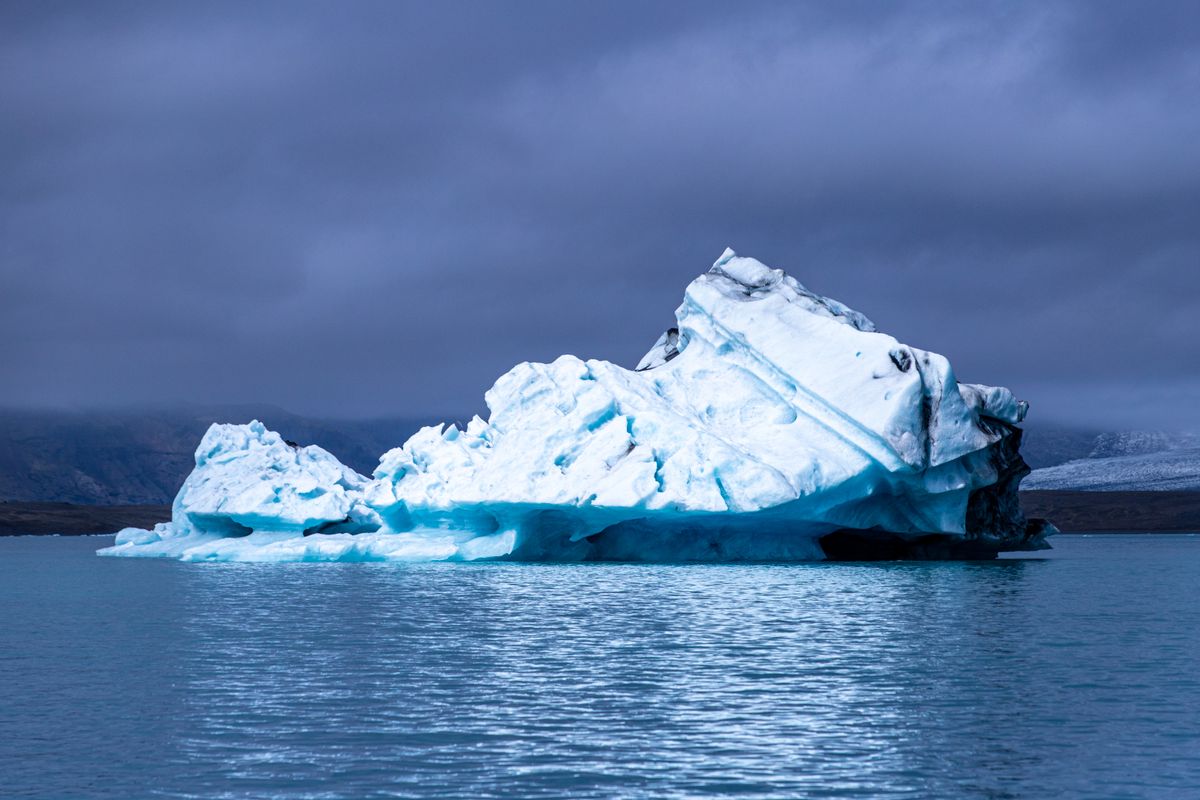
Then his ice-fishing business stalls when a glacier of contaminated ice washes into the water near his home. Calvin takes this "bad ice" to a scientist, Dr. Fonda Howander (Mackenzie Davis), and the two begin to realize something ancient is living in that water. That's as far as I'll go before the spoiler warning.
Is Below based on a true story? The fact-check
Short answer: the monster isn't real, but almost everything pressing on the people in the story is. McKeown has said he connects the show to Newfoundland's wider history of resettlement, per SCENE 49. Here's my claim-by-claim ledger, built from the sources listed at the bottom.
Tally it up and the lopsided result is the point. Only the creature and the specific characters are invented. The pressures on them, a payout offered to a small community, the loss of a way of life and the weird, brave logistics of floating a house to a new town, are all documented parts of Newfoundland's past. In a 1957 press release, Premier J.R. Smallwood estimated that as many as 200 settlements "with no great future," involving as many as 50,000 people, could be resettled, according to Memorial University's archive. To my ear, that kind of language is what a quiet, polite buyout sounds like.
My TakeWhy I think a buyout is scarier than the monster
Most creature features ask one question: how do we kill it? From everything I read, Below asks a different one: what happens to a town when someone with money and a good-sounding offer wants it empty? RogerEbert.com makes this point head-on, saying the horror here comes less from a masked killer than from outside money squeezing rural communities and the ecology around them.
I think that's the right instinct, and it's why the true-story question matters. A monster you can see is easy to organize against. An offer arrives with a smile, a deadline and a vote, and it asks you to sign away the place your family built. The Canadian Encyclopedia says Newfoundland's real program is generally viewed as a failure, and I think it's a quietly hopeful thing when a streaming drama sends viewers off to look that up.
Now the honest caution. A few critics felt the show stretches its story, and The Hollywood Reporter points to some subplots that exist mainly to reach series length. RogerEbert.com is clear that this isn't a jump-scare show. If you want relentless frights, set your expectations to dread and atmosphere instead.
The PlaceWhere was Below filmed? Is Snook's Arm real?
Below was filmed in Newfoundland, on the Avalon Peninsula. Comic Basics reports that Brigus South became the fictional Snook's Arm, with other scenes shot around Conception Harbour and Bacon Cove, and Cinemaholic lists Pouch Cove as a major location, with St. John's as the base. The production shot on location rather than leaning on green screens, per Comic Basics.
According to TIME, the shoot ran about five months and the boat scenes were filmed for real on open water. Mackenzie Davis told the magazine that her visual memories of making the show feel like a painting by Turner, which I think tells you why the series looks the way it does.
As for the name, the show's Snooks Arm is fictional, but there is a real Snook's Arm in Newfoundland and Labrador, and SCENE 49 reports its census count was five people in 2021. Nobody involved has said the show is a literal recreation, so I'd treat the shared name as a nod rather than a biography.
The ReviewsWhat are critics saying about Below?
Mostly good, with pacing as the sticking point. Here's how the reviews I read line up.
| Source | Verdict | My take |
|---|---|---|
| Rotten Tomatoes | Verdict81% from 32 critic reviews. Audience score 59% from fewer than 50 ratings | My takeThe critic number is solid. The audience number is far too small to lean on yet |
| RogerEbert.com | VerdictCalls it one of the year's best and most poignant series, praising the craft, the Hartnett and Heaton performances and the climate angle | My takeThe most enthusiastic review I found, and the one that sold me on the show's ideas |
| The Hollywood Reporter | VerdictA fun, sincere creature story that's likably silly, with a few extra subplots added to reach series length | My takeThis is the "fun first" camp, and I think it's the most useful warning about pacing |
| Heaven of Horror | Verdict3 out of 5 | My takeA middle-of-the-road score from a horror-focused site |
| RT first-reviews roundup | VerdictMostly a worthwhile spooky-season add, with a few critics objecting to the pacing | My takeConsensus is positive, and pacing is where the disagreement lives |
One more number worth watching: the audience score. At 59 percent from fewer than 50 ratings, it tells us almost nothing yet. I'd rather see it settle after a few more days than build an opinion on it.
The PickShould you watch Below? Who it's for
Here's my guide, built from the reviews and the show's reported setup.
| If you want | Verdict | Why |
|---|---|---|
| A one-day binge | VerdictYes | WhySix episodes and about four hours total, with every episode already out |
| A creature feature with real people in it | VerdictYes | WhyCritics keep praising the family drama, the setting and the performances over the monster itself |
| A story with something to say about climate and small towns | VerdictYes | WhyThis is the angle RogerEbert.com and the creator both lean on |
| Nonstop jump scares | VerdictProbably not | WhyReviews describe dread and atmosphere more than shocks |
| A tight, no-filler plot | VerdictMaybe | WhyA few reviewers felt some subplots were padding |
My Quick Take
No, Below isn't a true story. But the Newfoundland history under it is, and I think that's what makes a fun sea-monster series stick. Watch it for the family, the place and the pressure of that payout offer. If all you want is jump scares, this probably isn't the one.
Below ending explained: the creature, the Crockers and that last shot
What is the creature? A deep-water cephalopod, and according to Fonda in the finale, a female. The iceberg that drifts into Snook's Arm turns out to be her nest, with her eggs frozen inside the ice. That reframes the whole season. The thing everyone has been running from is a mother trying to protect her young.
Who is the real villain? The Crocker family, the wealthy merchants who own the fish plant and much of the town. By the second-to-last episode Calvin learns they hold a mining permit for cobalt and copper beneath Snook's Arm, and that their plan is to move the town rather than pay what it's worth. The creature gives them the cover to evacuate everyone without a fight.
What does Calvin do? He stays, and so does his family. Instead of killing the creature, he decides to move the ice. He and Wade tow the iceberg out of the harbor to deep water and cut the line. The military lieutenant refuses to order a strike, the harbor clears, and the people of Snook's Arm go home.
What's the last shot? Calvin and Wade drift out in the High Hopes and see far more ice on the horizon than they've likely ever seen. McKeown told TIME he doesn't see it as a cliffhanger so much as a warning about what's coming for everyone. He calls the ending a reprieve for the town, not a happy ending, because the Crockers will be back and the glaciers are still melting.
Here's my opinion on all of this. I think making the monster a refugee is the smartest choice the show could have made, because it turns a creature feature into a story about who gets pushed out and who profits. It also rhymes with the real history in the fact-check above, where families were nudged out of towns with a payout and a promise of a better life. And I like that the finale lets the town win one round without pretending that's the end of it. That feels more honest, and, weirdly, more hopeful.
What's NextWill there be a Below Season 2?
Below is a six-episode limited series. McKeown told TIME that he considers the story complete and that leaving Calvin in an unfinished place is realism, not setup. He added that he isn't ruling out another story with these characters, but said that isn't his intention. I haven't found a Netflix announcement of a second season. If you're asking whether the finale's last shot is a sequel hook, the creator says it's a question about the future, not a cliffhanger.
Full TimeBelow questions, answered fast
Is Below based on a true story?
No. Below is a fictional story created by Jesse McKeown, and there is no documented case of a giant sea creature attacking a Newfoundland town. Its backdrop is real, though: between 1946 and 1975, some 307 Newfoundland communities were abandoned and more than 28,000 people relocated, according to Memorial University's Maritime History Archive.
Is Snooks Arm in Below a real town?
The town in the show is fictional, but a real community called Snook's Arm exists in Newfoundland and Labrador and went through the province's community relocation process. SCENE 49 reports that census tables recorded five people there in 2021. The series was not filmed there, and Netflix has not said the show recreates it.
Where was Below filmed?
Newfoundland, Canada. Comic Basics reports that Brigus South stood in for the fictional Snook's Arm, with other scenes shot at places such as Conception Harbour and Bacon Cove on the Avalon Peninsula, and Cinemaholic lists Pouch Cove as a major location.
What is the monster in Below?
A giant deep-water cephalopod, a creature the show treats as unlike anything in the scientific record. How the story explains it is covered in the marked spoiler section of this article.
How many episodes is Below and how long is it?
Six episodes, all released on Netflix on Thursday, Oct. 8, 2026. Screen Rant puts the total runtime at about four hours, which makes it a one-day binge.
Who is in the cast of Below?
Josh Hartnett plays fisherman Calvin Penney, Mackenzie Davis plays Dr. Fonda Howander and Charlie Heaton plays Calvin's son Wade. The cast also includes Natasha Henstridge, Joshua Close, Rohan Campbell, Willow Kean, Ruby Stokes, Kaleb Horn and Mary Walsh.
What is Below's Rotten Tomatoes score?
The Tomatometer was 81 percent from 32 critic reviews, and the audience score was 59 percent from fewer than 50 ratings, as shown on Rotten Tomatoes' page for the series.
Is Below scary?
Reviews describe slow-building dread more than jump scares. RogerEbert.com says it doesn't bombard viewers with them, and Rotten Tomatoes' first-reviews roundup calls it a worthwhile spooky-season pick. The series is rated TV-MA.
Is there a Below Season 2?
Below is a six-episode limited series. Creator Jesse McKeown told TIME he considers the story complete and that a second chapter isn't his intention, though he isn't ruling one out. I haven't found a Netflix announcement of a second season.
Is Below number one on Netflix?
FlixPatrol's worldwide Netflix TV chart for Oct. 9, 2026 had Below first, ahead of East of Eden and Percy Jackson and the Olympians. I haven't seen official Netflix viewing figures for it yet.